Ziemia, Mars i wulkany – czego mogą nas nauczyć o przyszłości naszej planety?
Ziemia, Mars i wulkany – czego mogą nas nauczyć o przyszłości naszej planety?
Earth, Mars, and Volcanoes – What Can They Teach Us About Our Planet’s Future?
W ramach serii krótkich filmów popularnonaukowych przygotowanych przez Akademię Zrównoważonego Rozwoju z okazji Światowego Dnia Ziemi, zapraszamy do odkrywania fascynującego świata nauk o Ziemi i ich znaczenia dla realizacji Celów Zrównoważonego Rozwoju. Wśród materiałów znalazły się dwa filmy przygotowane przez dr. Bartosza Pieterka, kierownika projektu MARIVEL, badacza zajmującego się zarówno procesami zachodzącymi na Ziemi, jak i geologią innych planet.
„Wulkany. Siła, która kształtuje planety”
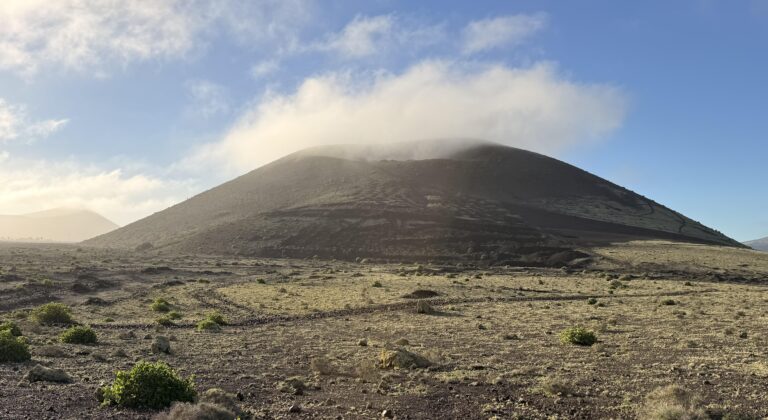
Wulkany kojarzą nam się zwykle z widowiskowymi erupcjami, ale ich rola jest znacznie większa. To właśnie aktywność wulkaniczna od miliardów lat współtworzy powierzchnie planet, wpływa na atmosferę i warunki życia. Bartosz Pieterek opowiada o badaniach wulkanów na Islandii i Wyspach Kanaryjskich, ale także o tych znajdujących się setki milionów kilometrów od nas – na Marsie. Czerwona Planeta kryje największe wulkany w Układzie Słonecznym, a ich analiza pozwala lepiej zrozumieć procesy geologiczne zachodzące zarówno na innych światach, jak i na Ziemi.
„Geologia planetarna. Laboratorium przeszłości i przyszłości planet”
Geologia planetarna pozwala spojrzeć na te pytania z zupełnie nowej perspektywy. Wenus i Mars stają się naturalnymi laboratoriami, w których możemy obserwować skutki odmiennych ścieżek ewolucji klimatu i atmosfery. Dzięki temu łatwiej zrozumieć procesy zachodzące na Ziemi – od zmian klimatycznych po długoterminową ewolucję środowiska sprzyjającego życiu.
Badania planetarne to jednak nie tylko podróż w przeszłość. To także przyszłość nauki i eksploracji kosmosu. Technologie rozwijane na potrzeby misji kosmicznych znajdują zastosowanie również na Ziemi, a kolejne odkrycia pomagają nam lepiej przygotować się do wyzwań związanych ze zrównoważonym rozwojem.
Zachęcamy do obejrzenia obu filmów i przekonania się, że odpowiedzi na pytania dotyczące przyszłości naszej planety można znaleźć nie tylko pod naszymi stopami, ale także na odległych światach Układu Słonecznego.
Earth, Mars, and Volcanoes – What Can They Teach Us About Our Planet’s Future?
As part of a series of short popular science videos produced by the Academy of Sustainable Development to mark World Earth Day, we invite you to explore the fascinating world of Earth sciences and their importance for achieving the Sustainable Development Goals. The materials include two videos prepared by Dr. Bartosz Pieterek, the MARIVEL project manager and a researcher studying both processes occurring on Earth and the geology of other planets.
“Volcanoes: The Force That Shapes Planets”
We usually associate volcanoes with spectacular eruptions, but their role is much greater. It is volcanic activity that has been shaping the surfaces of planets for billions of years, influencing the atmosphere and living conditions. Bartosz Pieterek discusses research on volcanoes in Iceland and the Canary Islands, as well as those located hundreds of millions of kilometers away—on Mars. The Red Planet harbors the largest volcanoes in the Solar System, and analyzing them allows us to better understand the geological processes occurring both on other worlds and on Earth.
“Planetary Geology: A Laboratory of the Past and Future of Planets”
Planetary geology allows us to view these questions from a completely new perspective. Venus and Mars become natural laboratories where we can observe the effects of different paths of climate and atmospheric evolution. This makes it easier to understand the processes taking place on Earth—from climate change to the long-term evolution of an environment conducive to life.
However, planetary research is not just a journey into the past. It is also the future of science and space exploration. Technologies developed for space missions also find applications on Earth, and new discoveries help us better prepare for the challenges of sustainable development.
We encourage you to watch both videos and see for yourself that answers to questions about the future of our planet can be found not only beneath our feet, but also on distant worlds in the Solar System.